If you Google “lower back pain relief,” stretching is usually the first thing you’ll see.
So, it makes sense why most people try hamstring stretches, hip flexor stretches, and yoga videos when their back tightens up.
But here’s the problem:
 If stretching alone fixed back pain, hardly anyone would still have it.
Yet low back pain remains one of the most common reasons patients walk through our doors — often after months (or years) of trying to stretch it away.
So why does your back still hurt?
Let’s break it down in a way that actually makes sense — and leads to results.
The Real Reason Stretching Doesn’t Work for Most Back Pain
The majority of lower back pain cases we see in our clinic are NOT caused by muscles that are too tight.
They’re caused by:
 Instability around the core
 SI joint or pelvic imbalance Movement compensations Poor spinal mechanics
Think of it like this:
Stretching a weak or unstable area is like loosening bolts on a wobbly table.
It may temporarily feel better, but the problem still exists.
This is why stretching feels good for an hour—and then the pain comes right back.
Signs Your Back Pain Isn’t Actually a Tightness Problem
If any of these sound familiar, stretching alone won’t get you where you want to go:

These are classic patterns of mechanical dysfunction and weakness, not flexibility issues.
So What Actually Helps Chronic Low Back Pain?
Instead of trying to lengthen tissues, most patients need:
Corrective Movement + Stability
Exercises that activate inhibited muscles
(think glutes, deep core stabilizers)
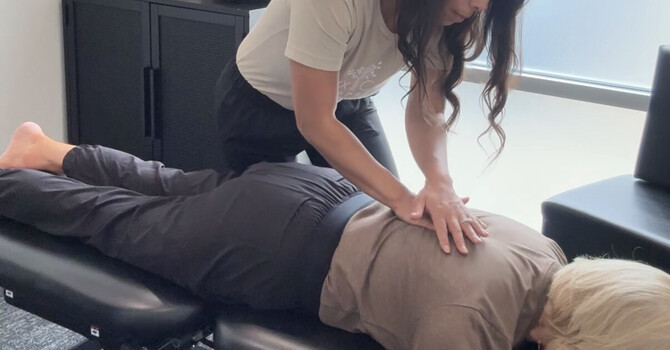
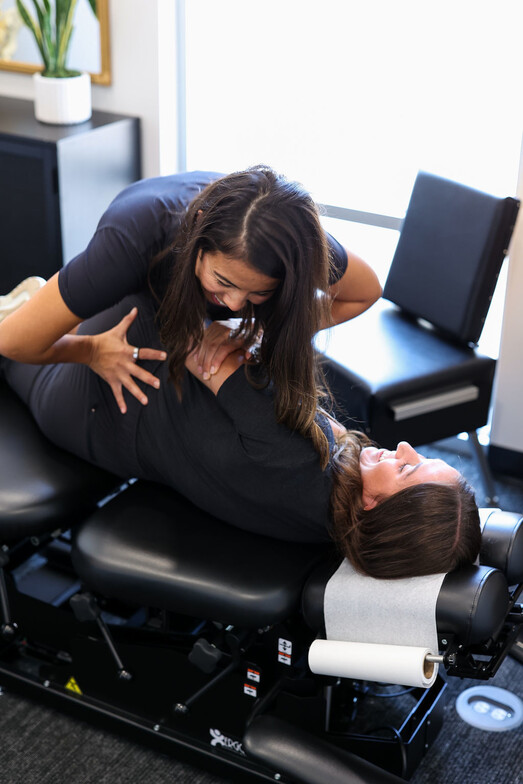
Chiropractic Adjustments
To improve joint motion and mechanics
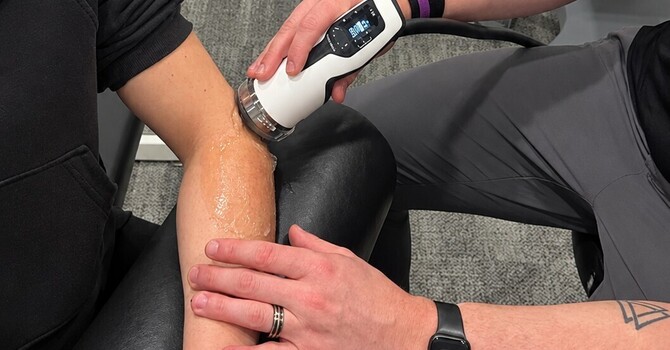
Soft Tissue or Shockwave Therapy
To speed tissue repair and calm inflammation
Lifestyle & Ergonomic Modification
So you’re not constantly aggravating the issue
Our patients often see 50–70% improvement within 3–4 weeks when stability, mobility, and movement correction are combined — rather than stretching alone.
Real Patient Story: Mark, 38
“I had back pain for years. I stretched every day and it would get a little better but always came back. Turns out I had SI joint instability. After 4 weeks of adjustments and rehab, I was coaching basketball again without pain.”
– Mark, 38, Sioux Center
His story is extremely common.
He didn’t need to stretch more — he needed better movement support.
What to Expect If You Come See Us
At Sioux Center Chiropractic, we start with a movement assessment, not just a symptom check.
We look for:
• Core activation
• Hip and glute function
• Pelvic alignment
• Nerve tension patterns
• SI joint mobility
Based on what we find, your care may include:
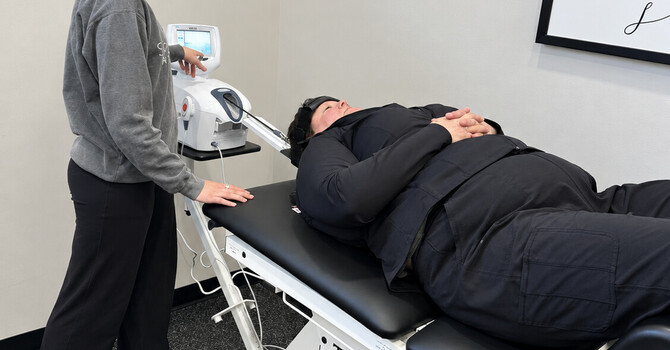
Chiropractic adjustments Rehab exercises (glute activation, core stability, etc.) Shockwave or laser therapy to speed healing Mechanical traction or decompression
We tailor care to your body, your goals, and your lifestyle.
FAQs
Why does stretching feel good if it doesn’t fix the problem?
Because the relief is neurological — it calms the pain receptors temporarily, but doesn’t solve instability or joint mechanics.
How long before I should feel improvement?
Most patients notice changes within 2–3 weeks with the right plan.
Do I need imaging?
Only if red-flag symptoms appear — most cases improve without X‑rays or MRIs.
Is chiropractic or physical therapy better?
The best outcomes happen when adjustments + rehab are combined — that’s what we specialize in.
Your Next Step
If stretching hasn’t helped your back pain — you’re likely missing the real issue.
Let’s find it and fix it.
 Sioux Center Chiropractic
 712-722-0788
https://
Small changes in how your body moves can make a big difference in how your back feels.
We’d love to help you get there.
— Dr. Tyler Armstrong & Team