Do you find yourself ending the day with a stiff neck, a dull headache, or that all-too-familiar ache between your shoulder blades? You’re not alone, and your posture might be the missing piece.
At Sioux Center Chiropractic, we see patients every week who have no idea how much their daily posture is affecting their neck and head. From long hours at a desk to scrolling on a phone, the way you hold your body can quietly create tension, restrict movement, and trigger recurring pain.
In this post, we’ll explore how posture contributes to neck pain and headaches, the signs to look for, and what you can do about it, starting today.
What Is Poor Posture Doing to Your Neck?
Your neck is not built to carry extra weight all day. For every inch your head moves forward, it adds about 10 pounds of pressure on your neck and upper back muscles. Over time, this constant strain can lead to:
- Muscle fatigue and tension in the neck, shoulders, and upper back
- Joint stiffness and reduced range of motion
- Nerve irritation that can refer pain into the head, face, or arms
- Trigger points that cause headaches or that ‘tight band’ feeling around the skull
When these issues become chronic, your body adapts, and not in a good way. The muscles that should support your head become weak, while others become overworked and tight. It’s a cycle that’s hard to break without intervention.
Common Signs Your Posture Is Causing Your Pain
You might not realize your posture is the problem until you notice a pattern. Ask yourself:
- Do you get headaches after working at a computer or looking down at your phone?
- Does your neck feel stiff or sore by the end of the day?
- Do you catch yourself slouching, leaning forward, or hunching your shoulders?
- Do you feel tension or a dull ache at the base of your skull?
- Do you wake up with neck pain or headaches?
If you answered yes to more than one of these, your posture is likely a contributing factor.
Why Neck Pain and Headaches Are So Common
We live in a world built for screens. Whether you’re farming, teaching, working in healthcare, or running a business, chances are you spend a significant part of your day looking down, sitting for long periods, or repeating the same movements. Combine that with stress, poor sleep, and a lack of movement, and it’s no wonder neck pain and headaches are two of the most common complaints we hear.
These issues are incredibly common, but they’re not normal, and they’re definitely not something you should just live with.
Headaches Are Not All the Same
Posture can play a part in some headaches, but not every headache is the same. It helps to know what kind you may be dealing with, because the feel, the place, and the other signs can be different.
Tension headaches often feel like steady pressure or a tight band around the head. They often affect both sides. Neck and shoulder tension, stress, long screen time, and poor sleep can make them worse. Many people can still work and move, but the pressure can last for hours.
Cervicogenic headaches start in the neck. They often affect one side of the head and may start at the back of the head and move forward. Neck movement, a long day at a desk, or a neck joint dysfunction can bring them on. Neck stiffness, shoulder pain, or pain that changes when you move your neck can be clues.
Migraine headaches are often different again. They often affect one side and feel like throbbing or pulsing pain. Light, sound, and smell can feel too strong. Some people feel sick to their stomach or need to rest in a dark, quiet room. A migraine can last for hours or days, and it can make normal work or school hard.
A simple way to tell them apart is to ask three questions. Where is the pain, and is it on one side or both sides? What does it feel like, pressure, a neck ache that moves up, or throbbing? What else comes with it, such as neck stiffness, light sensitivity, or nausea? If you are not sure, write down when the headache starts, what you were doing, and what else you notice. That record can help at your visit.
What Can Trigger a Headache?
Triggers do not cause every headache, but they can make one more likely. Four common triggers are stress, sleep, hydration, and diet.
Stress can tighten the neck, jaw, and shoulders. That tension can build through the day and turn into a headache by evening. Short breaks, a walk, slow breathing, and a regular wind down routine at night can help lower that build up.
Sleep matters in both directions. Too little sleep, broken sleep, and a very different sleep time on weekends can all make headaches more likely. Try to keep a steady bedtime and wake time, and give screens a break before bed.
Hydration is simple but easy to miss. If you do not drink enough water during the day, a headache is more likely. Keep water nearby, drink through the day, and drink a little more on hot days or after exercise.
Diet can matter too. Skipping meals, eating at very different times, and big changes in caffeine can trigger a headache for some people. Try regular meals, a protein rich snack if you get hungry, and steady caffeine use rather than large ups and downs.
Posture links these triggers together. A long day hunched over a phone or laptop can add neck strain on top of stress, poor sleep, low water intake, or a skipped meal. Small changes, such as a screen at eye level, feet flat on the floor, and a short move every hour, can help.
When to Seek Care Right Away
Most headaches linked to posture and neck tension are not emergencies, but some signs need care right away. Call emergency services or go to emergency care if you have any of these four red flags:
1. A sudden, severe headache that is the worst headache you have ever had, or a headache that comes on in seconds.
2. A headache after a head injury, a fall, or a blow to the head.
3. A headache with fever, a stiff neck, a rash, confusion, or trouble staying awake.
4. A headache with weakness, numbness, vision changes, trouble speaking, or loss of balance.
Do not wait to see if these signs pass. If you are with someone who has one of these signs, help them get emergency care right away.
Frequently Asked Questions
How do I know if my headache is coming from my neck? A neck related headache often starts in the neck or at the back of the head and moves forward. It may be on one side, and neck movement or long sitting may make it worse. Neck stiffness or shoulder pain at the same time can also point to the neck. A visit can check neck motion, joint restriction, and muscle tension to help sort this out.
Can posture cause a migraine? Posture alone does not explain every migraine. Neck strain and stress can be triggers for some people, but migraine often has other features, such as throbbing pain, nausea, and light or sound sensitivity. If migraines happen often, are severe, or are getting worse, talk with your care team about a full plan.
What can I do at home for a tension headache? Rest your eyes, drink water, and take a short break from screens. Gentle neck and shoulder movement, heat or cold if it feels better, and a calm, dark room can help for some people. Keep a simple note of what helps and what does not, and share it at your visit.
When should I call Sioux Center Chiropractic? Call if headaches keep coming back, last a long time, get in the way of work, school, or sleep, or do not improve with rest, water, and basic self care. A visit can look at posture, neck motion, and daily habits, and build a plan that fits your life.
Do I need imaging for a headache? Not always. Many posture and tension related headaches do not need imaging. Your provider will ask about your history and signs, and check your neck and movement. Imaging may be suggested if there are red flags, a new pattern, or signs that need a closer look.
How often should I see a chiropractor for neck pain and headaches? It depends on what is causing your headaches and how your body responds. After your exam, we will give you a clear plan and adjust it as you improve.
How We Address Neck Pain and Headaches at Sioux Center Chiropractic
We don’t just chase symptoms. Our approach focuses on identifying the root cause of your neck pain and headaches and creating a plan that works for your body and your life. Here’s what that looks like:
1. Chiropractic Adjustments
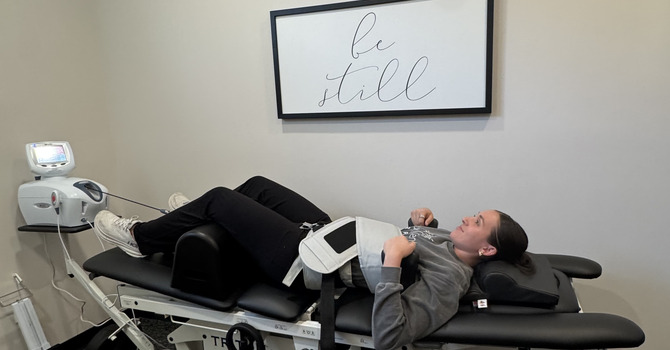
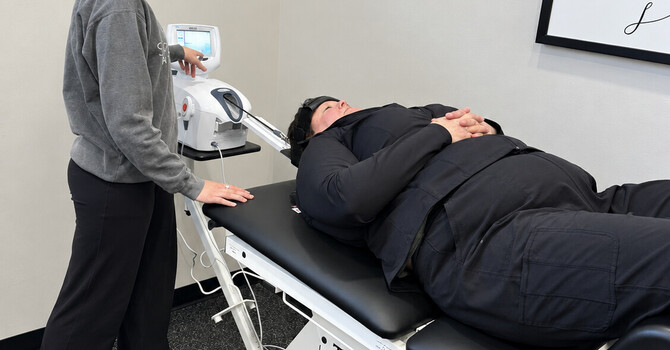
Gentle, targeted adjustments restore proper alignment and movement in the cervical spine. This can reduce nerve irritation, relieve muscle tension, and improve how your neck moves and feels.
2. Soft Tissue Therapy
Tight, overworked muscles are a major contributor to both neck pain and headaches. We use hands-on techniques like myofascial release and trigger point therapy to release tension and restore healthy tissue function.
3. Postural Coaching
We teach you how to sit, stand, sleep, and work in ways that support your spine, not strain it. Small changes in ergonomics and daily habits can make a big difference over time.
4. Advanced Therapies for Lasting Relief
For deeper or more chronic issues, we may recommend Class IV Laser Therapy or Shockwave Therapy to support healing, reduce inflammation, and support recovery for some patients.
We use objective tools like Kinetisense to measure your movement, track your progress, and make sure your care is actually working, not just feeling better for a day or two.
Movement Screening: We assess how you move, identify imbalances, and build a plan that improves function, not just symptoms.
Call us today
If you’re tired of living with neck pain or headaches, it’s time to find out what’s really going on. At Sioux Center Chiropractic, we’ll take the time to listen, assess your posture and movement, and build a plan that gets to the root of the problem.
You can call us at 712-722-0788 or book your appointment online to get started.
Let’s find the cause of your discomfort and build a natural care plan. Learn more about neck pain and how posture can contribute to headaches.