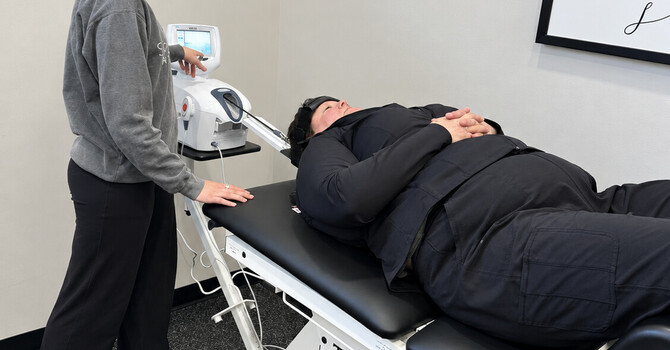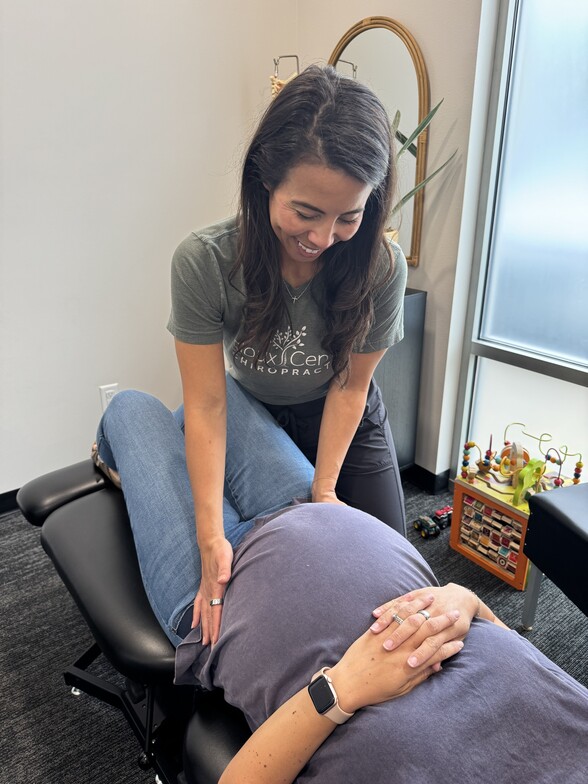
Pregnancy changes nearly every system in the body. The spine and pelvis, in particular, are under a type and magnitude of stress they have never experienced before and will not experience again outside of pregnancy. Weight distribution shifts forward, the center of gravity changes, and hormones alter the flexibility of ligaments throughout the body.
For many women, this combination produces back pain, hip pain, round ligament discomfort, and sleep disruption that they assume is simply something to endure until the baby arrives. That is not always the case. Chiropractic care during pregnancy is well-established, has a strong safety profile in the research literature, and has helped many patients here in northwest Iowa have more comfortable pregnancies.
This post covers what prenatal chiropractic care involves, what the research says, and what makes our approach specific to expectant mothers.
How Pregnancy Changes the Spine and Pelvis
Several changes during pregnancy directly affect the musculoskeletal system:
Postural Shift
As the uterus grows and shifts the center of gravity forward, the lumbar spine typically increases its inward curve (lordosis) to compensate. This increased lumbar extension creates additional stress on the facet joints, posterior ligaments, and lumbar discs, and commonly produces the low back pain that many pregnant women experience in the second and third trimesters.
Pelvic Ligament Laxity
The hormone relaxin, produced throughout pregnancy and peaking in the third trimester, increases the flexibility of pelvic ligaments in preparation for delivery. While this is a necessary physiological process, it also reduces joint stability. The sacroiliac joints and pubic symphysis become more mobile and more susceptible to dysfunction and pain, a condition known as pelvic girdle pain (PGP).
Weight Distribution
The additional anterior load of a growing baby changes how force is distributed through the hips, knees, and feet. Hip and sciatic nerve irritation are common later in pregnancy as the uterus creates direct pressure on surrounding structures.
What Is the Webster Technique?
The Webster Technique is a specific chiropractic analysis and adjustment developed by Dr. Larry Webster and currently taught through the International Chiropractic Pediatric Association (ICPA). It focuses on the sacrum, sacroiliac joints, and surrounding musculature and ligaments of the pelvis.
The goal of the Webster Technique is to reduce the effects of sacral misalignment and SI joint dysfunction, which can create uneven tension on the uterus through the round and broad ligaments. By restoring balanced pelvic mechanics, the technique aims to reduce maternal discomfort and support the conditions for optimal fetal positioning.
Dr. Tiffany Armstrong is Webster Technique Certified through the ICPA, meaning she has completed the specific training required to apply this technique in clinical practice.
What Does the Research Say?
A 2024 study published in the Journal of Manipulative and Physiological Therapeutics found that 94% of pregnant women experienced reduced back pain following chiropractic care. That is a meaningful clinical finding for a population where low back pain affects an estimated 50–80% of pregnancies.
Regarding the Webster Technique specifically, a research study through the ICPA reported that 82% of breech presentations resolved to vertex (head-down) position following Webster Technique adjustments. The evidence base for the Webster Technique continues to develop, and while larger controlled trials are needed to draw definitive conclusions, the existing clinical data and safety profile support its use as part of prenatal care.
Research also suggests that prenatal chiropractic care may reduce labor duration. Studies have reported a 24–39% reduction in labor time in women who received regular chiropractic care during pregnancy, and a separate study noted approximately a 25% reduction in labor time for first-time mothers who received chiropractic care compared to those who did not.
It is important to present these findings honestly: the research on prenatal chiropractic is promising but not without limitations in study design and sample size. What is well-established is the safety profile of chiropractic care during pregnancy when delivered by a trained provider, and the consistent reports of reduced pain and improved comfort from patients receiving it.
Is Chiropractic Safe During Pregnancy?
Yes, in the hands of a trained and certified provider, chiropractic care has an excellent safety profile during pregnancy. Several adaptations are made for prenatal patients:
- Specialized pregnancy pillows and tables allow the patient to lie face-down comfortably without pressure on the abdomen
- Adjustments during pregnancy use gentler forces than standard care, and many techniques use low-force or drop-table methods
- No high-velocity technique is applied directly to the abdomen
- All care is adapted to the patient’s trimester, comfort level, and specific presentation
Chiropractic care is not recommended during pregnancy in cases of placenta previa, placental abruption, ectopic pregnancy, or when there is vaginal bleeding of unknown cause. We take a full pregnancy history at the initial visit and coordinate with your OB or midwife when appropriate.
What Conditions During Pregnancy Respond to Chiropractic Care?
Patients most commonly seek prenatal chiropractic care for:
- Low back pain and lumbar disc discomfort
- Pelvic girdle pain and SI joint dysfunction
- Round ligament pain
- Sciatic nerve irritation producing buttock or leg pain
- Mid-back pain from postural compensation
- General discomfort and difficulty sleeping due to musculoskeletal tension
- Optimal fetal positioning concerns, particularly in the third trimester
Frequently Asked Questions: Chiropractic During Pregnancy
When during pregnancy is it appropriate to start chiropractic care?
Chiropractic care is safe throughout all three trimesters when appropriate techniques are used. Many patients begin care in the first trimester for low back or pelvic discomfort and continue through the third trimester. Patients with fetal positioning concerns typically begin Webster Technique care in the third trimester, though earlier pelvic balancing work can be beneficial throughout pregnancy.
Do I need to tell my OB or midwife that I’m seeing a chiropractor?
We recommend informing your OB or midwife about any care you receive during pregnancy, including chiropractic. We are happy to communicate with your obstetric provider and can provide documentation of care when requested.
Does the Webster Technique directly move the baby?
No. The Webster Technique addresses the sacrum, pelvic joints, and surrounding ligaments and muscles of the mother. The adjustment is applied to the mother’s structure, not to the baby. The aim is to reduce uterine constraint by creating balanced pelvic mechanics, which may allow the baby to move into an optimal position independently.
How often would I need to come in during pregnancy?
Visit frequency depends on your presenting symptoms, trimester, and goals. Some patients benefit from weekly visits in the third trimester; others see meaningful benefit with bi-weekly or monthly care earlier in pregnancy. We discuss a recommended schedule at your first visit based on your specific situation.
Can chiropractic help after delivery as well?
Yes. The postpartum period involves its own musculoskeletal demands, including breastfeeding posture, carrying and lifting an infant, and the physical demands of new parenthood. Many patients return for postpartum care as the body recovers from delivery and relaxin levels normalize. SI joint dysfunction in particular is common postpartum and responds well to chiropractic care.
Prenatal Chiropractic Care Is Available in Sioux Center
Sioux Center Chiropractic has served northwest Iowa families since 2000. Our team includes Dr. Tyler Armstrong, DC, CCSP®, Webster Technique Certified and FMCSA Certified Medical Examiner; Dr. Tiffany Armstrong, DC, Webster Technique Certified; and Dr. Karsyn Harmsen, DC, Webster Technique Certified. Dr. Tiffany Armstrong leads our prenatal care program and is Webster Technique Certified through the International Chiropractic Pediatric Association, with clinical experience caring for expectant mothers across Sioux, Lyon, and Plymouth Counties.
To schedule a prenatal consultation, call (712) 722-0788 or click here. Most new patients are seen within 48 hours.
Sources referenced in this article:
- Journal of Manipulative and Physiological Therapeutics (2024) — 94% of pregnant women report reduced back pain following chiropractic care
- ICPA Research — Webster Technique and resolution of breech presentation: 82% resolution rate
- Pistolese (2002), Journal of Manipulative and Physiological Therapeutics — Webster Technique and intrauterine constraint
- International Chiropractic Pediatric Association — Webster Technique Certification Program
- American Chiropractic Association — Pregnancy and Chiropractic Care