When back pain, joint pain, or nerve pain becomes significant enough to seek care, many patients find themselves at a choice point: take medication, get an injection, or try something else. Chiropractic care is often in that ‘something else’ category, considered after the conventional options rather than as a first-line approach.
This post is not intended to argue that medication or injections are wrong choices. In the right clinical context, they play an important role. What this post provides is a factual summary of what the evidence says about each option, so that patients in northwest Iowa can make informed decisions about what to try first and in what sequence.
What the Research Says About Common Pain Medications for Musculoskeletal Conditions
NSAIDs (Anti-Inflammatories)
Nonsteroidal anti-inflammatory drugs, including ibuprofen, naproxen, and prescription-strength options, reduce pain and inflammation effectively in the short term for many musculoskeletal conditions. The American College of Physicians includes them as an option for acute low back pain. However, their benefit for chronic musculoskeletal pain is more limited, and long-term use carries well-documented risks including gastrointestinal bleeding, cardiovascular effects, and kidney strain.
Opioid Pain Medications
Opioids are sometimes prescribed for severe or refractory musculoskeletal pain. The research on their effectiveness for chronic non-cancer pain is not favorable: a 2022 meta-analysis in The Lancet found that opioids provided only small pain reductions for chronic non-cancer musculoskeletal pain compared to placebo, with significant adverse effect profiles. The risks of dependence, cognitive impairment, fall risk in older adults, and overdose are well-established.
A 2025 study in the Journal of General Internal Medicine found that patients who saw a chiropractor as their first provider for low back pain had 90% lower odds of early or long-term opioid use compared to patients who did not. That is not a coincidence. It reflects the effectiveness of structural care in addressing the mechanical causes of pain that opioids can only mask.
Muscle Relaxants
Muscle relaxants are commonly prescribed for acute back pain with spasm. They provide short-term relief for some patients but produce significant sedation, do not address underlying joint or disc pathology, and have limited evidence of benefit beyond the first few days of acute pain.
What the Research Says About Corticosteroid Injections
Epidural steroid injections (ESIs) are widely used for lumbar radiculopathy and spinal stenosis. They deliver anti-inflammatory medication directly to the epidural space around the spinal cord and nerve roots.
The evidence on ESIs is nuanced. For acute radiculopathy, ESIs can provide meaningful short-term pain relief that allows patients to participate in rehabilitation. However, the long-term picture is less favorable. A systematic review in the American Journal of Physical Medicine & Rehabilitation found that epidural steroid injections provided short-term benefit but no significant long-term advantage over conservative care. The effect typically diminishes within 1–3 months.
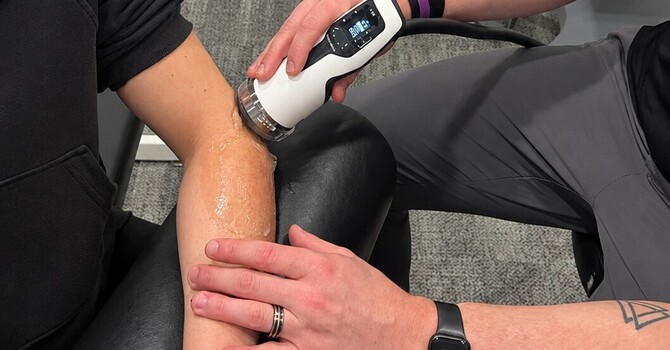
Corticosteroid injections for tendinopathy (such as tennis elbow or rotator cuff tendinopathy) have a similar short-term effectiveness profile but are associated with worse long-term outcomes compared to exercise therapy and shockwave therapy in several comparative studies. Repeated injections may impair tendon tissue quality over time.
Injections are not without procedural risk, including infection, nerve injury, and, with repeated use, systemic effects from corticosteroid exposure.
What the Research Says About Chiropractic Care
The evidence base for chiropractic care in musculoskeletal conditions has expanded significantly:
- The American College of Physicians clinical guidelines for low back pain recommend spinal manipulation as a first-line non-pharmacologic treatment for acute, subacute, and chronic low back pain.
- A 2025 meta-analysis in BMJ Open found meaningful clinical benefits of musculoskeletal manipulation for neck pain.
- A systematic review in the Journal of Bodywork and Movement Therapies (2024) found that manual therapy combined with exercise produced greater short-term improvements in pain and function for chronic low back pain than exercise alone.
- Farabaugh et al. (2024) in Chiropractic & Manual Therapies found that patients initiating care with a chiropractor for low back pain had substantially lower downstream healthcare costs than those beginning with medical management.
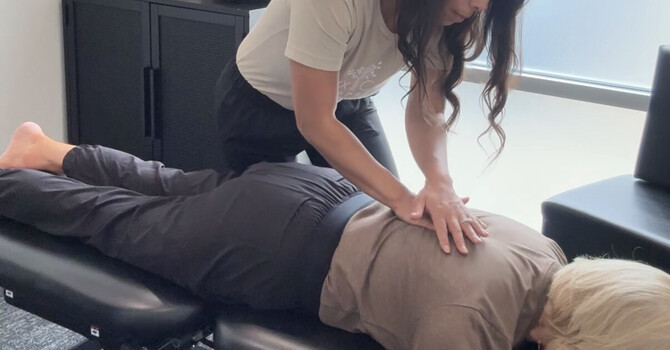
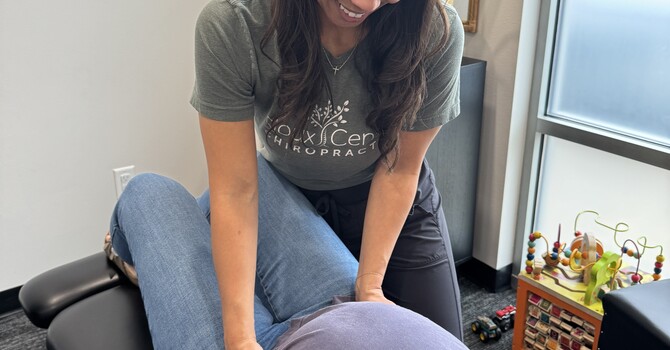
Chiropractic care is not appropriate for every musculoskeletal condition, and it is not a replacement for medication or injection when those are genuinely indicated. What the evidence does support is its value as a first-line conservative approach for mechanical spine pain, nerve root irritation, and many joint and soft tissue conditions.
How to Think About the Sequence of Care
For most mechanical back pain, neck pain, and joint conditions, the clinical literature supports a conservative-first approach: try non-invasive, lower-risk options before escalating to invasive or pharmacologic management. This is reflected in the American College of Physicians guidelines and in numerous other professional society recommendations.
In practice, a reasonable sequence for many patients with low back pain, neck pain, or joint pain without neurological emergency looks like:
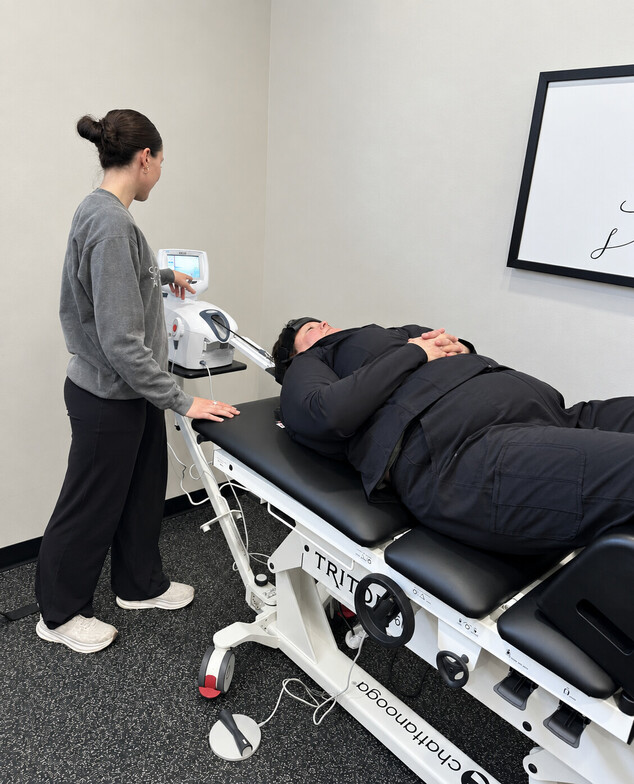
- First: chiropractic care and/or physical therapy (non-invasive, evidence-based, low-risk)
- Adjunct: short-term NSAIDs if needed for acute pain management, alongside structural care
- If symptoms persist: imaging to clarify structural pathology
- If disc herniation with radiculopathy: consider epidural steroid injection for short-term relief to facilitate participation in rehabilitation
- If conservative care is insufficient after appropriate trial: surgical evaluation
This is not a universal protocol, and individual presentations vary, and some conditions require early imaging, injection, or surgical consultation. But for the large majority of mechanical musculoskeletal presentations, the evidence supports starting with the least invasive effective option.
When Medication or Injections Are the Right Answer
To be direct: we refer patients for medication and injection management when the clinical picture calls for it. Specific situations where we discuss those options with patients include:
- Significant neurological deficit (progressive weakness, loss of bowel or bladder control) that warrants urgent imaging and potential surgical evaluation
- Acute severe pain that is preventing basic function and requires short-term pharmaceutical management alongside structural care
- Inflammatory arthropathy (rheumatoid arthritis, ankylosing spondylitis) requiring medical management beyond what conservative care can address
- Acute radiculopathy with significant pain that is not responding to initial conservative care, where an ESI may allow a patient to participate more effectively in rehabilitation The goal is not to avoid all medication or injections.
The goal is to use them at the right time in the right clinical context, not as a default first step for conditions that respond well to conservative care.
Frequently Asked Questions: Chiro vs. Injections and Pain Medication
My doctor recommended an injection before trying chiropractic. Should I?
That depends on your specific diagnosis, how long you have had symptoms, and the severity of your neurological findings. For acute radiculopathy with significant pain that is not tolerating basic function, an injection may be reasonable. For chronic mechanical low back pain or joint pain without neurological compromise, most clinical guidelines support a conservative care trial first. We are happy to discuss your specific situation and what the evidence says for your diagnosis.
Can I combine chiropractic care with my current medications?
Yes, in almost all cases. Chiropractic care does not interfere with most medications. We take a full medication history at your first visit to identify any contraindications. Patients on blood thinners, corticosteroids, or certain medications should make sure their chiropractor is aware.
Will chiropractic care actually fix my problem, or just manage it?
This depends on the underlying condition. For mechanical joint dysfunction, acute disc herniation, and many nerve root compression presentations, chiropractic care addresses the structural cause and many patients resolve fully or near-fully. For degenerative conditions like advanced spinal stenosis or significant disc degeneration, the goal is meaningful functional improvement and pain management, which is also the realistic goal of injections and medication in those same cases. Realistic outcomes vary by diagnosis and chronicity.
I’ve been on pain medication for months and it isn’t helping. Is it too late for chiropractic?
No. Chiropractic care can be initiated at any point in the course of a musculoskeletal condition, though outcomes tend to be better earlier. Patients who transition from ineffective long-term pain management to chiropractic care and addressing the mechanical source of their symptoms frequently report meaningful improvement. We will conduct a thorough evaluation and give you an honest assessment of what to expect.
Does Sioux Center Chiropractic work with my primary care doctor?
Yes. We communicate with primary care providers and specialists when coordinated care is in the patient’s best interest. If you are currently under the care of a physician and want to add chiropractic evaluation to your care team, we can provide clinical notes and coordinate as needed.
An Informed Decision Is the Best Decision
Sioux Center Chiropractic has served northwest Iowa, including Sioux Center, Hull, Orange City, Rock Valley, and surrounding communities, since 2000. Our team includes Dr. Tyler Armstrong, DC, CCSP®, Webster Technique Certified and FMCSA Certified Medical Examiner; Dr. Tiffany Armstrong, DC, Webster Technique Certified; and Dr. Karsyn Harmsen, DC. Our shared approach to care is built on giving patients accurate, research-grounded information about all of their options so they can make the best decision for their situation.
To schedule an evaluation or discuss whether chiropractic care is appropriate for your condition, call (712) 722-0788 or click here. Most new patients are seen within 48 hours.
Sources referenced in this article:
• American Chiropractic Association — What Research Shows About Chiropractic

Dr. Karsyn Harmsen
Contact Me